The Architecture of Power: Great Palaces of the Ancient World [pdf]
This post was published 6 years ago. Download links are most likely obsolete. If that's the case, try asking the uploader to re-upload.
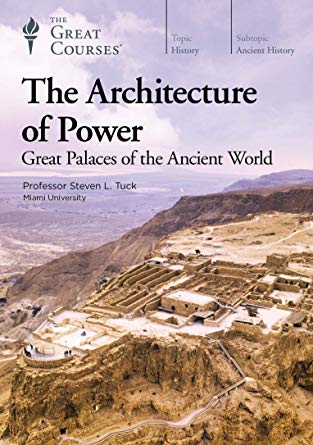
2018 | ISBN: n/a | English | 248 pages | PDF | 42 MB
The seat of power. A symbol of authority and prosperity. The center of a complex nexus of social and cultural forces. A palace is all of these and more. Palaces are mirrors of the societies that created them and the rulers that occupied them.
The palaces of rulers past and present are truly a sight to behold. Marvel at Weiyang, China’s Endless Palace, about 11 times the size of Vatican City. Tour the gorgeous gardens at the Palace of Versailles, lined with bronze statues inspired by Dionysus, Apollo, and the four elements. Take a ride on the floating palaces, from the Syracusia of 240 BC, which stood an impressive three decks tall and boasted a library and gymnasium, to Cleopatra’s perfumed pleasure ship and Caligula’s luxurious bejeweled vessels.
The Architecture of Power: Great Palaces of the Ancient World offers an insider’s look at some of history’s most awe-inspiring structures. In 24 lectures presented by Professor of Classics Steven L. Tuck of Miami University, you will not only get a glimpse into imposing and magnificent sites, but you will also experience many that are inaccessible to the public—and even some that no longer exist. As you make your way through these storied sites, you’ll also delve into an exploration of the meaning of power and the ways it operated in societies across the globe. You’ll learn how rulers impressed, intimidated, survived, maintained control, and much more.
The Perpetuation of Power
These lectures will reveal a real-world Game of Thrones, where many rulers behaved ruthlessly toward the conquered and presided over their own people with an iron fist. This will to intimidate was often reflected in the immense size and luxury of palaces, built to a scale and degree of opulence that could overwhelm the commoner and elicit awe in neighbors and enemies alike.
However, they also reflected the rulers' insecurities. Everyone from the Egyptian pharaohs to Saddam Hussein lived under constant threat of assassination and uprisings. Therefore, you’ll learn how the palaces offered protection, both internally and externally.
Besides the sheer size and grandeur of the buildings, leaders manipulated their elaborate living spaces in a variety of ways, including:
Location: The placement of a structure within its environs has an impact on how its authority is perceived. This is one way the Egyptian pharaohs established themselves as dominant, even more powerful than priests.
Materials: Using rare materials was a clear display of status, from the bronze doors of Persepolis to the numerous fountains and pools lining Saddam’s palaces in a land where water is scarce.
Imported plants and animals: Perhaps most impressive was the collection of over 40 species of plants as well as domesticated lions and elephants roaming the gardens of the Assyrian palace at Nimrud. This demonstrated the king’s power over not only man but also nature.
Artwork: This included paintings and sculptures as well as imposing stone reliefs which would often depict the ruler as a victorious conqueror or in some way honored by the gods.
Meet a Colorful Cast of Characters
Equally as fascinating as the buildings themselves are the rulers who occupied them. You’ll get acquainted with pharaoh Amenhotep IV, who completely redefined Egypt, ushering in a new era and placing himself as an intermediary between his subjects and the sun god. You will hear the captivating stories of Ashurnasirpal II, whose larger-than-life accounts of big-game hunting, immense banquets, and rousing military conquests are enthrallingly depicted in inscriptions throughout the palace at Nimrud. Then there’s Caligula, whose flare for spectacle and excess have become hallmarks of decadence and lavish living that continue to be reflected in modern ideas of wealth and celebrity.
But with great power comes great responsibility. Professor Tuck shows how public and private personas were deeply intertwined for these rulers. As with today’s politicians, the luxurious lifestyles came at a cost, with their primary duty being to serve the people over which they ruled. For instance, Egyptian pharaohs were expected to maintain order in the natural world. Imagine if your life hinged on whether or not the Nile flooded!
Professor Tuck also highlights the notable individuals who managed to excavate these palaces brick by brick so we can marvel over them today. Many of these excavations occurred two hundred or more years ago, without the convenience of modern technology. In some cases, as with the efforts to uncover and reconstruct some of the famous floating vessels of ancient rulers, it took hundreds of years of failed attempts before archaeologists successfully recovered the structures.
Quick check before we show the links
Helps us keep automated scrapers from hammering the filehosts.