Manuscript Notes as Documentary Sources
This post was published 8 years ago. Download links are most likely obsolete. If that's the case, try asking the uploader to re-upload.
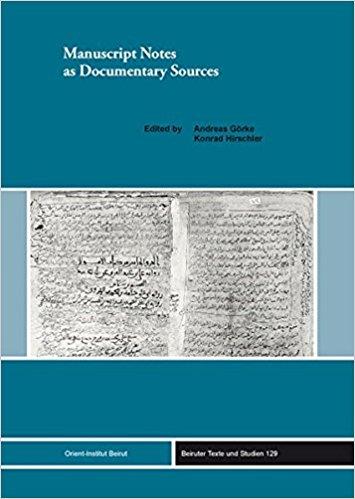
English, French, German | 2011 | ISBN: 3899138317 | 208 Pages | PDF | 60.2 MB
Arabic manuscripts abound in hand-written notes. This abundance is apparent in many manuscripts, even at a cursory glance. The recto of the first folio, the ahr al-kitāb, for instance, is regularly filled with a variety of notes in different hands and from different periods. However, this space was often not sufficient for the multitude of notes, so users of the manuscripts started to have recourse to additional unused space (bayāā) that was available, most importantly in the margins of the main text and the spaces alongside or below the colophon. Once these spaces were filled, users could resort to more intrusive ways of adding notes, such as writing between lines of the original text. Ultimately, they could append additional folios. Indeed, occasionally manuscripts were bound from the outset with blank folios that were meant to provide space for future notes by the manuscript’s users.
If you like my post click on "Say thank you".
Quick check before we show the links
Helps us keep automated scrapers from hammering the filehosts.